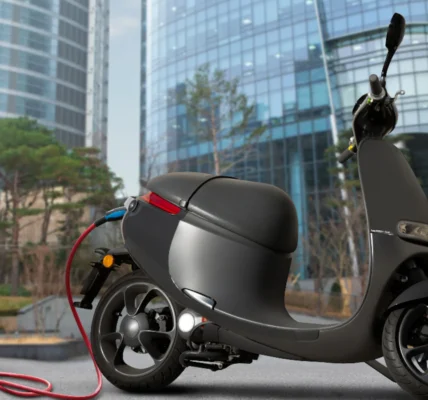


Tata Power and Tata Passenger Electric Mobility have taken a deliberate step into Mumbai’s daily churn by opening the city’s largest electric vehicle charging hub near Terminal 2 of Chhatrapati Shivaji Maharaj International Airport. The facility sits inside The Leela Mumbai Hotel premises and, crucially, runs 24/7.
The hub is fitted with eight fast DC chargers, each with an output of 120 kW, allowing 16 vehicles to charge at the same time. In a market where most public chargers are still one or two bays tucked inside a mall or office complex, that scale matters. It means fewer queues and less anxiety for owners wondering if they’ll be able to plug in when they arrive.
Dr. Praveer Sinha, CEO and MD, Tata Power, said that strategically located and powered entirely by renewable energy, the new hub aims to set a benchmark for future-ready EV infrastructure. Shailesh Chandra, Managing Director, Tata Passenger Electric Mobility Ltd. and Tata Motors Passenger Vehicles Ltd., said, “The inauguration of this TATA.ev MegaCharger – the first of many such joint installations – is a significant milestone in our mission to grow widespread, fast and reliable charging infrastructure in India. We look forward to scaling this partnership further to further empower EV owners across India.”
More than just a Tata play
The chargers are open to all EVs, though Tata.ev owners get perks like discounted rates and priority access. That dual approach highlights the balancing act for Tata. It dominates the Indian EV market but also knows the transition to electric cannot be a walled garden.
Building the larger network
For Tata Power, this hub adds to more than a thousand charging points already scattered across Mumbai, and over 5,500 nationwide. The company’s roadmap is ambitious, aiming for 7.5 lakh home chargers and 10,000 public charging points by 2030. Tata Motors, meanwhile, continues to dominate India’s EV sales charts, but knows its future growth depends on infrastructure keeping pace with vehicles on the road.
Airports are often where a city puts its best foot forward. By choosing this location, Tata is making a statement about visibility as much as utility. The 16-bay hub is a small dent in Mumbai’s vast transport landscape, but if replicated across other high-density zones, it could start to ease the very real concerns around range and charging access.