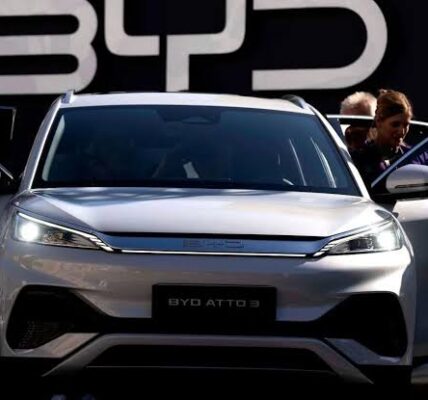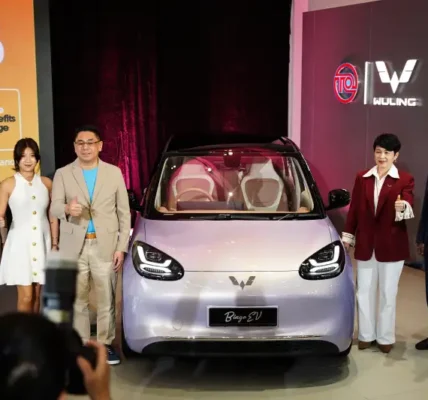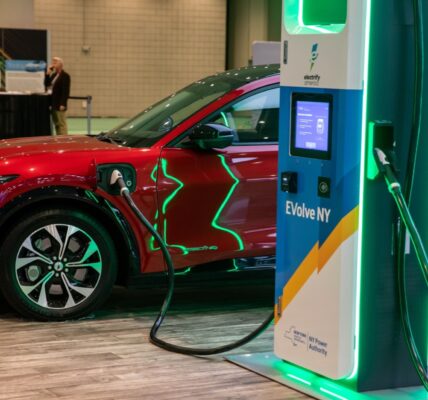


Indonesia is moving towards electric vehicles (EVs). In June 2026, the government will launch a new incentive program to encourage people and businesses to buy electric cars and motorcycles. The first stage aims to add 200,000 EVs to Indonesian roads.
As more businesses switch to electric fleets, they face new management challenges. Instead of tracking fuel, they need to monitor battery charging status. Instead of engine oil level, they need to know battery temperature and state of health. Telematics helps to access such type of data remotely, however picking the right solution and implementing it is a challenge for local providers. To help local companies prepare, Teltonika is hosting the Telematics Summit South Asia in Jakarta.
Sharing Global Experience
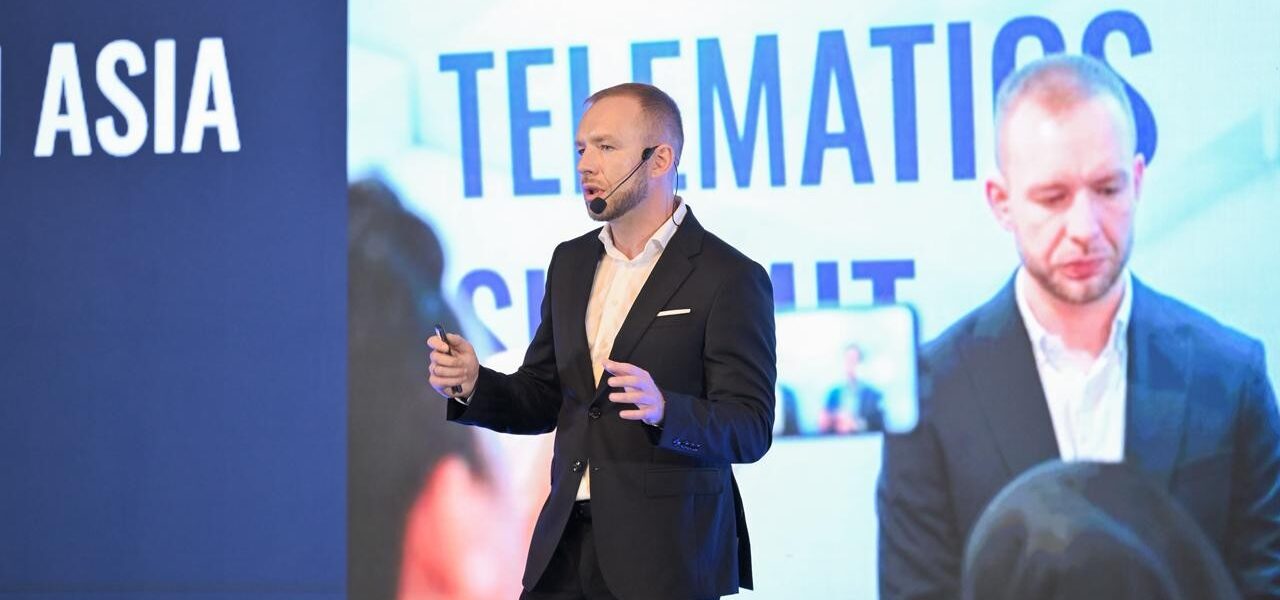
For the second year in a row, Teltonika is holding the Telematics Summit in Jakarta, Indonesia. The event brings together more than 150 telematics experts from South Asia and from Teltonika’s headquarters in Vilnius, Lithuania.
“Networking and sharing knowledge help telematics grow faster,” says Adomas Jurėnas, head of sales for South Asia at Teltonika’s telematics division. “By growth I mean not only installing more trackers, I mean bringing more value for each fleet owner. Many companies in South Asia still use basic tracking systems. They know where their vehicles are, they have the trips history, they get speeding alerts. However, modern telematics can do much more. We gather telematics providers from South Asia at our summit to show what technologies are already available for them and how to implement it.”
During the event, guests can also join hands-on workshops. They can speak with Teltonika engineers and see how tracking devices work in vehicles, motorcycles, and special machinery.
“Our goal is to show how telematics solves real business problems,” says Adomas.
Solving EV Challenges
Giedrius Adomaitis, product owner for E-Mobility at Teltonika, travelled from Vilnius to present solutions for electric fleets.
“Fuel-powered and electric vehicles need different management tools,” says Giedrius. “Traditional fleets can use analogue fuel sensors, but EVs need fully digital monitoring systems. Our solution connects to the vehicle’s CAN network, it’s “nervous system” that transmits the signals between different parts of the vehicle. This allows companies to plan maintenance before problems happen.”
Charging habits affect battery life in a big way. If the battery is regularly drained below 20% or overheated because of a fast charge, it will degrade faster. Giedrius explains that battery failures can paralyze electric fleet, but telematics can come for the rescue. It helps to read battery parameters, identify harmful habits and change the use of the electric fleet for the better.
What is more, the access to CAN allows to send commands to the vehicle remotely. Telematics device can make the vehicle to block or unblock the engine based on a scenario. For example, if the driver is not authorised by a driver card or a Bluetooth® beacon, the engine won’t start. This scenario helps to assure the vehicle’s safety and prevent theft.
Electric motorbikes are an important topic at the summit.Indonesia has the largest motorbike fleet in the world. 2-wheelers are used not only by private owners but by businessesas well, like last mile delivery and sharing services. For such fleet owners, a motorbike downtime means lost revenue and unhappy customers. Telematics can be a solution for this problem, but the device should be ready for harsh usage conditions.
“Our device is small, waterproof, and resistant to dust,” says Giedrius. “It works well for many electric mobility solutions, especially electric motorbikes.”
More than Battery Management
Telematics Summit South Asia focuses not only on electric mobility. It also covers solutions for indoor monitoring, for heavy vehicles and special machinery management. One of the use cases presented even shows the automation of the irrigation systems in the fields.
One of the big topics of the event is the dead reckoning technology – ability to map the track of the vehicle even when there is no access to Global Positioning System (or GPS). Normally, a telematics device needs to “see” at least 3 GPS satellites located on the orbit of the Earth to determine its coordinates. This access to GPS can be blocked, for example by a thief trying to steal a vehicle where the tracker is installed. In such case the tracker can’t determine where it is and can’t help to locate a missing car.
Dead reckoning is perfect to prevent such cases. It uses tracking device’s gyroscope and accelerometer to estimate its position at any given time. The gyroscope helps to determine in what direction and under what angle the vehicle is moving. In the meantime, the accelerometer helps to determine the speed of the movement. The device combines these two types of data and estimates the vehicle track. Dead reckoning is applicable both for fuel-powered and electric vehicles and available with the latest generation of Teltonika devices.
“Teltonika team brings new telematics technologies and global experience to our business partners in South Asia”, highlights Adomas Jurėnas. “We don’t just sell trackers; we build the partnerships with solution providers. We share what telematics can do for business and pay attention to our partners’ feedback. Emerging indoor monitoring market is a good example. Teltonika business partners were using standard Bluetooth® for indoor tracking but had to implement workarounds for their projects to succeed. We heard the feedback and delivered a solution fitting indoor use cases better.”
During the Telematics Summit, Teltonika presents WirepasMesh technology for wireless indoor tracking. It is an alternative to Bluetooth® technology available both in telematics devices and in personal electronics, like mobile phones, wireless speakers or headphones.
Bluetooth® is known in the industry for quite some time. However, using it for commercial indoor tracking can be tricky.The devices might start jamming each other when they are used in high-density areas like a warehouse. Wirepas Mesh overcomes this challenge. What’s more, it is cost effective when the project is big and involves thousands of objects to monitor.
At the Telematics Summit, Teltonika presents how WirepasMesh can be used for the medical equipment tracking in hospitals. The use of such technologies on a national level can significantly improve efficiency of the medical staff and help patients across South Asia to receive better care.