

Indian manufacturers are beating Tesla and BYDi at building energy-efficient electric cars.
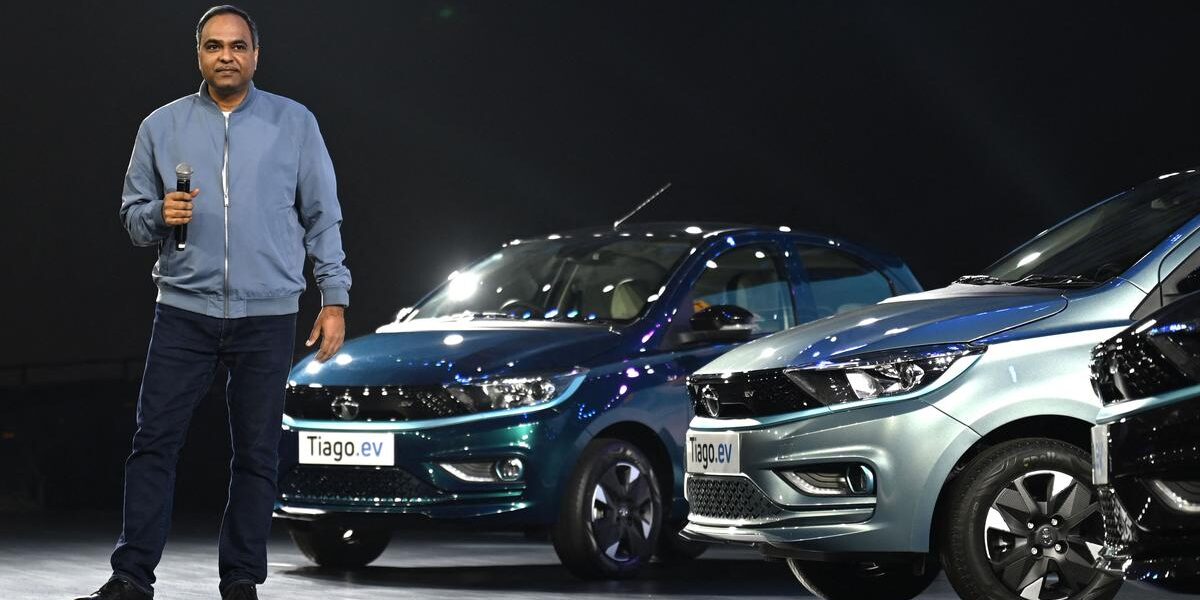
Tata Motors topped a global ranking of the most efficient battery EVs for 2025, released by the International Council on Clean Transportation. The vehicles in the company’s fleet on average consumed 106 watt-hours per kilometer. Another Indian automaker, Mahindra, followed at 113 Wh/km.
Elon Musk’s Tesla and the world’s largest EV maker, the Shenzhen-based BYD, ranked third and fourth in the ranking, which evaluated 22 of the largest EV companies globally.
Only eight manufacturers improved their adjusted energy consumption, and 12 recorded a decline “due to changes in fleet composition, although most increases were minor (within 10 Wh/km),” the report noted.
Currently, EVs account for less than 5% of new passenger vehicle sales in India, compared to 25% globally. The Indian government remains ambitious about electrifying 30% of all passenger vehicles by 2030. The goal would not only cut down emissions but also lower oil imports, strengthen energy security, and expand domestic manufacturing.
The Indian government’s mandated fuel and emission caps for automobile manufacturers are “progressive and ambitious,” Amit Bhatt, the India managing director of ICCT, told Rest of World. He said they could “play a crucial role in accelerating this momentum and help India move closer to its vision of achieving 30% EV sales by 2030.”