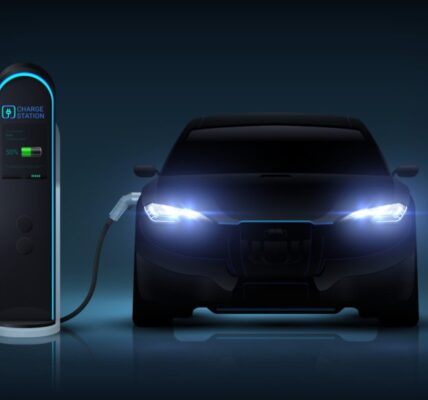

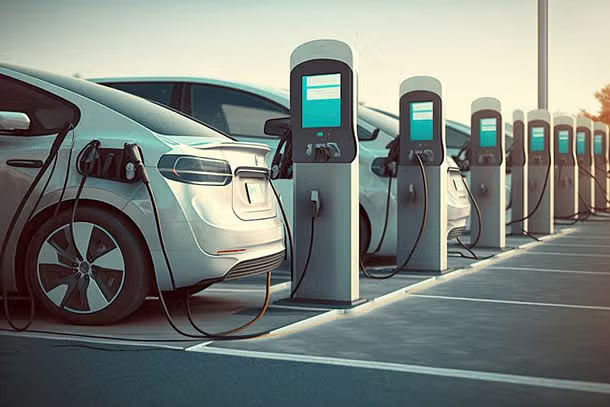

India is accelerating its transition to sustainable mobility with the rapid expansion of its electric vehicle (EV) charging infrastructure. According to Union Minister for Road Transport and Highways Nitin Gadkari, a total of 4,557 public EV charging stations are now operational across the country’s extensive highway network, including state and national highways as well as motorways. This significant milestone underscores the government’s strategic focus on enabling widespread EV adoption.
The existing charging stations cover a remarkable 146,342 kilometres of highway, offering better accessibility and convenience for EV users and contributing to a greener transport ecosystem.
Top States in Highway EV Charging Deployment
Leading the national rollout, Uttar Pradesh tops the chart with 507 public EV charging stations, followed by:
Karnataka – 489 stations
Maharashtra – 459 stations
Tamil Nadu – 456 stations
Rajasthan – 424 stations
This geographical spread reflects a balanced push across major and emerging EV markets. The Bureau of Energy Efficiency (BEE) has been instrumental in collating and verifying data that supports the development and planning of the EV ecosystem.
Tier 2 Cities See Major Growth
EV infrastructure is not limited to highways alone. As of April 1, 2025, India’s tier 2 cities have seen a significant uptick in EV charging infrastructure, with 4,625 public charging stations now operational. This expansion is vital to supporting the growing fleet of electric vehicles in urban and semi-urban areas, where demand for efficient charging access is rapidly rising.
PM E-DRIVE Scheme: A National Push Toward Electrification
To further boost EV adoption, the Indian government launched the PM E-DRIVE scheme in October 2024, a wide-reaching initiative aimed at strengthening the EV ecosystem through infrastructure deployment and consumer incentives.
With a financial outlay of ₹2,000 crore, the scheme targets the installation of approximately 72,000 public EV charging stations across:
50 National Highway corridors
Metro cities and urban centres
Toll plazas
Railway stations and airports
Fuel outlets and state highways
Additionally, ₹10,900 crore has been earmarked to subsidise electric vehicles under the scheme. The Ministry of Heavy Industries has emphasised that the scheme is pivotal to India’s ambitions of becoming a global EV powerhouse.
Support from Oil Marketing Companies Under FAME-II
In a parallel initiative, the government has allocated ₹873.50 crore for the installation of 8,932 EV public charging stations (EVPCS) under the FAME-II Scheme. These will be set up by India’s three major oil marketing companies:
Indian Oil Corporation Limited (IOCL)
Bharat Petroleum Corporation Limited (BPCL)
Hindustan Petroleum Corporation Limited (HPCL)
This marks a strong public-private collaboration aimed at closing infrastructure gaps and ensuring nationwide coverage.
Incentives for Electric Trucks Under PM E-DRIVE
In a notable development this month, the government also rolled out financial incentives for electric trucks (e-trucks) under the PM E-DRIVE scheme. The incentive structure allows a maximum benefit of ₹9.6 lakh per vehicle, covering:
N2 category (trucks with GVW above 3.5 tonnes and up to 12 tonnes)
N3 category (trucks with GVW over 12 tonnes and up to 55 tonnes)
For articulated vehicles in the N3 category, incentives will apply only to the puller tractor unit, as defined by the Central Motor Vehicle Rules (CMVR).
Looking Ahead
Despite the significant progress, Minister Gadkari noted that there is currently no specific scheme to incentivise Charging Point Operators (CPOs). This gap presents an opportunity for future policy enhancements to further support the sector.
As India continues to expand its EV infrastructure through strategic government programmes and public-private partnerships, the nation is positioning itself as a global leader in clean mobility and sustainable urban development.