
India EV Retail Sales Hit Record High in June 2026 as Electric Vehicle Penetration Crosses 12% for the First Time

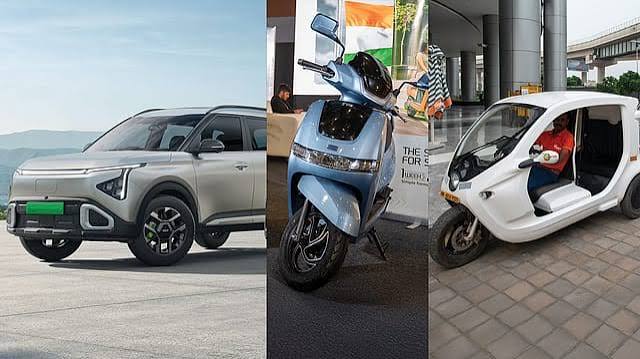
India’s electric vehicle industry achieved one of its biggest milestones in June 2026 as retail EV sales crossed an impressive 306,220 units, making it one of the strongest months in the country’s EV history. The achievement becomes even more significant because electric passenger vehicle sales reached 31,823 units, while overall EV penetration exceeded 12% for the very first time.
This milestone highlights India’s rapid transition toward sustainable transportation and demonstrates how government policies, expanding charging infrastructure, improving battery technology, and increasing consumer awareness are transforming the automotive industry.
A Historic Month for India’s EV Industry
The Indian electric vehicle market has been growing consistently over the past few years, but June 2026 marks a turning point. Crossing more than 306,000 retail sales indicates that EV adoption is no longer limited to early adopters—it is becoming mainstream.
Industry analysts believe this growth reflects increasing customer confidence, wider product availability, and better financing options.
Passenger Electric Vehicles Continue Strong Growth
One of the biggest highlights was the performance of passenger electric vehicles. Sales reached 31,823 units, showing that Indian consumers are increasingly willing to switch from traditional petrol and diesel vehicles to electric mobility.
Affordable pricing, lower running costs, government incentives, and expanding charging infrastructure have significantly improved consumer confidence.
EV Penetration Crosses 12%
Perhaps the most important achievement is that EV penetration crossed the 12% mark for the first time. This means that more than one out of every ten vehicles sold in India is now electric.
Only a few years ago, EV penetration remained below 2%, making this growth remarkable.
Government Policies Driving Growth
Several government initiatives have played a crucial role in accelerating EV adoption:
- State-level EV incentives
- Tax benefits for buyers
- Expansion of charging stations
- Production-linked incentive (PLI) schemes
- Battery manufacturing incentives
- Support for domestic EV manufacturing
These policies have encouraged both manufacturers and consumers to embrace electric mobility.
Charging Infrastructure Expansion
Charging infrastructure has improved significantly across metropolitan cities and highways. Public charging stations continue to expand, reducing range anxiety among consumers.
Fast charging technology is also becoming increasingly common, making long-distance EV travel more practical.
Battery Technology Improvements
Battery technology continues to improve every year. Manufacturers are introducing higher energy-density batteries with faster charging speeds and longer lifespans.
Lower battery costs are also helping reduce vehicle prices.
Indian Automakers Accelerating EV Production
Domestic manufacturers are rapidly expanding their EV portfolios. New launches across passenger cars, SUVs, two-wheelers, and commercial vehicles are providing consumers with more choices than ever before.
International manufacturers are also investing heavily in India’s growing EV ecosystem.
Consumer Awareness at an All-Time High
Consumers today understand the long-term financial benefits of electric vehicles. Lower fuel costs, reduced maintenance expenses, and environmental advantages are influencing purchase decisions.
Fleet Electrification
Ride-sharing companies, logistics operators, and commercial fleets are rapidly electrifying their vehicles. Fleet demand is becoming a major contributor to EV sales.
Economic Benefits
Growing EV adoption creates thousands of jobs in manufacturing, battery production, charging infrastructure, software development, and maintenance services.
India is also positioning itself as a global hub for EV manufacturing and battery production.
Environmental Impact
Higher EV adoption contributes to lower greenhouse gas emissions and improved urban air quality. As renewable energy generation increases, electric vehicles become even cleaner throughout their lifecycle.
Challenges Remaining
- Battery raw material availability
- Charging infrastructure in rural regions
- High upfront vehicle prices
- Battery recycling ecosystem
- Grid modernization
Addressing these challenges will ensure sustainable long-term growth.
Future Outlook
Industry experts expect India’s EV market to continue growing rapidly over the coming decade. Increasing affordability, domestic battery manufacturing, technological innovation, and supportive government policies are likely to push EV penetration well beyond current levels.
The country is also expected to become one of the world’s largest electric vehicle markets by the end of the decade.