

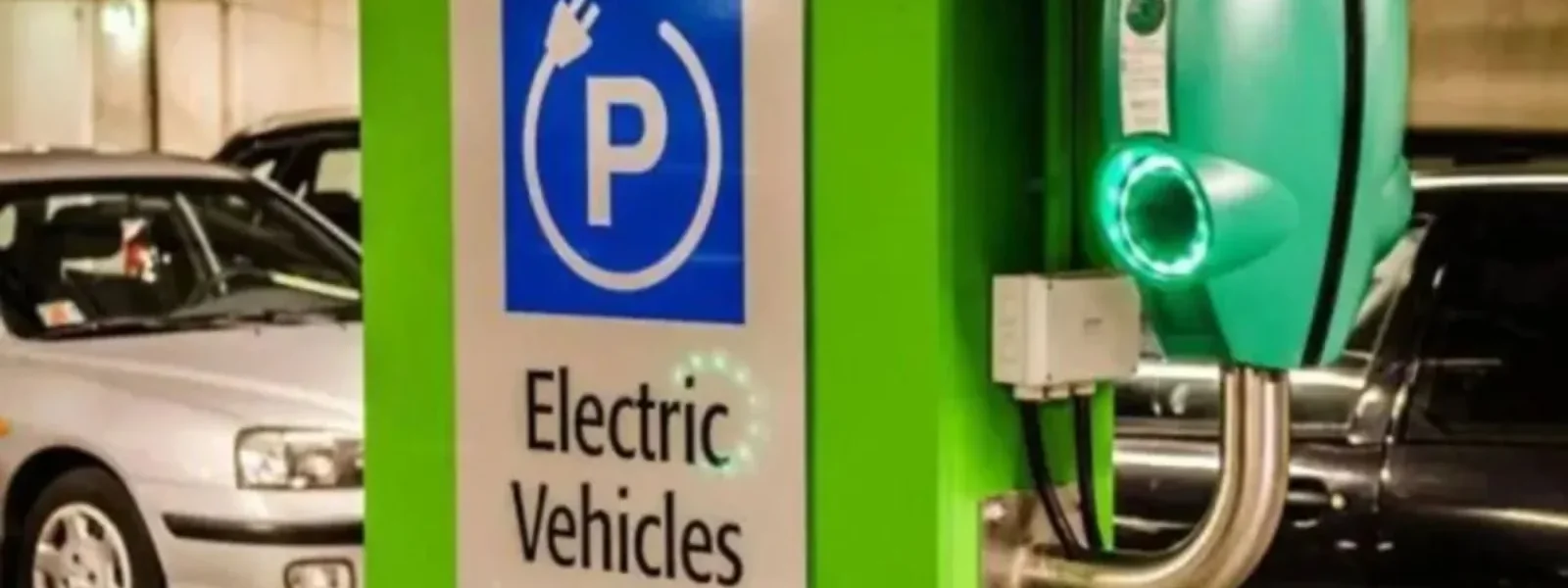
Will more EV chargers in Gurgaon projects lead to higher costs for builders and buyers?

On June 5, the Haryana Department of Town and Country Planning amended the Haryana Building Code 2017, the state’s unified set of development and building regulations, making it mandatory for all new residential and commercial projects to provide more facilities to charge electric vehicles (EVs).
Residential and group housing buildings must now have at least one EV charging point for every five parking spaces, and commercial set-ups such as malls, office complexes, and hotels must have one for every three spaces.
The new mandate is intended to quicken EV adoption in Gurgaon, which, despite the existence of a state EV policy for the past three years, stands at a mere 6 per cent, lagging behind Delhi’s 13 per cent, according to data until April.
Going beyond the overarching imperative of ensuring cleaner air and promoting green mobility, what are the economic and financial implications of the change in the Building Code for residents, tenants, and the real estate market in Gurgaon? Here’s what developers and industry insiders said.