Karnataka Leads as India’s Largest EV Charging Hub – Govt Initiatives to Boost Future Demand and Infrastructure Growth

Karnataka has been at the forefront of the Indian electric vehicle (EV) revolution. With cities like Bengaluru having a high adoption rate, along with reliability. The EV boom has made the availability of EV charging infrastructures a necessity for Karnataka’s sustainable mobility ambitions. However, with the accelerated growth comes challenges that have given rise to issues for both consumers and policymakers. This article is an in-depth look at the current state of EV charging facilities all across Karnataka, which talks about the issues faced and what lies in the EV future.
Karnataka’s Current EV Charging Network
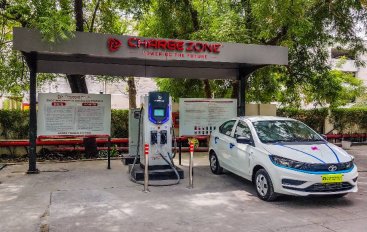
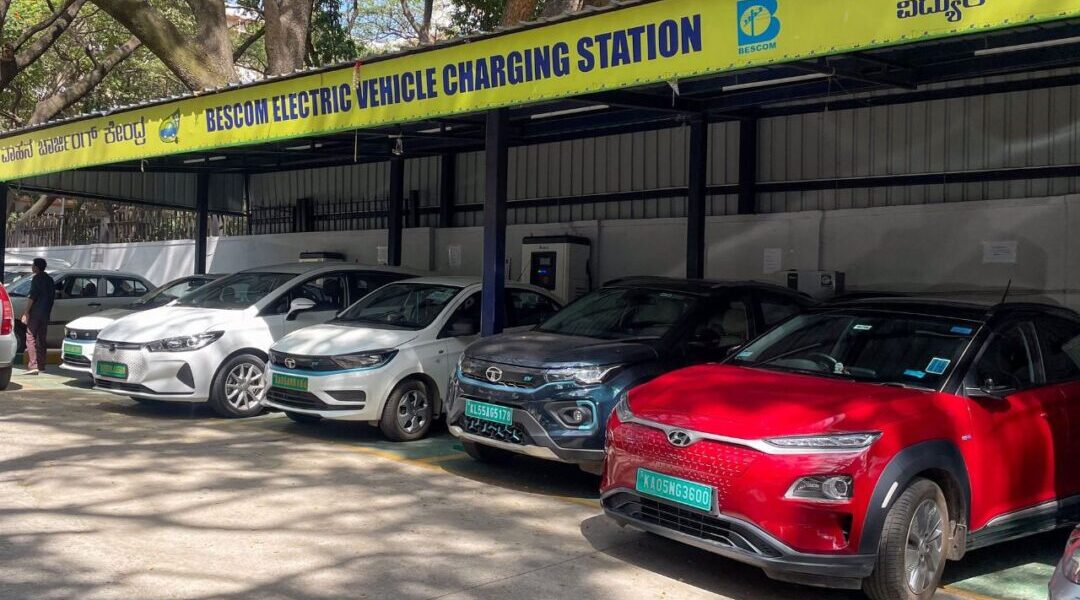
As of the second quarter of 2025, Karnataka has hit a mark by operating approximately 5,765 to 5,880 public EV charging stations, which has made it the state with the highest count of public charging facilities in India. This robust network is the result of a proactive 2017 state EV policy and a clear strategic vision to grow this Electric Vehicle ecosystem. Out of these numbers, over 4,600 chargers are found in major urban hubs, specifically Bengaluru, which alone houses nearly 2,900 public chargers. While other cities like Mysuru, Hubballi-Dharwad, and Belagavi are rapidly catching up, together hosting over 1,100 charging points.
A significant portion of the infrastructure is now visible alongside Karnataka’s highways as well. The state ranks second in India for EV highway charging points, where we have 489 stations alongside 8,191 kms of national highways, which even transforms intercity travel for EV users
The Growth Story
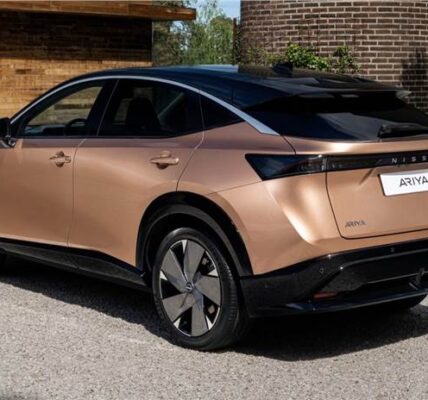
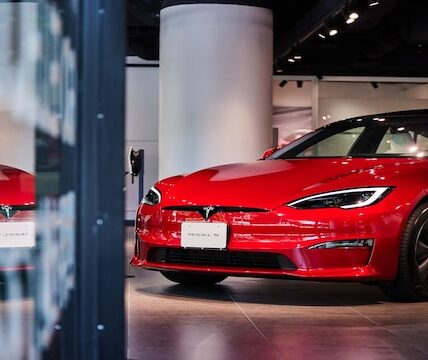
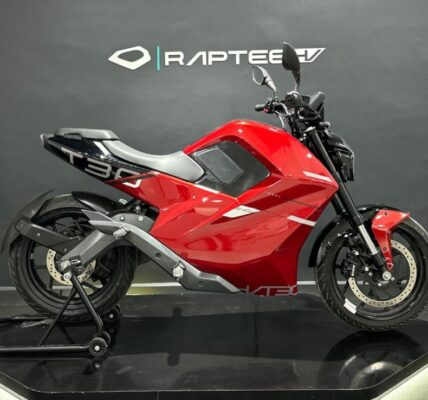
Karnataka witnessed strong EV market growth over recent years, with registrations jumping to 1.73 lakh in 2024-25, largely dominated by electric two-wheelers. Even after this momentum, 2025 saw a notable fall in two-wheeler registrations from 1.4 lakh in the previous year to 1.3 lakh this year, which made it the first fall since the EV market’s rapid expansion. Meanwhile, three-wheeler EV registrations are up sharply with over 5,000 registered in 2024-25, while the four-wheelers are seeing a slow but steady rise of 10,300 in 2023-24 to 12,200 in 2024-25.